30+ Latest Designer Dupatta Styles Every Woman Should Try in 2026
There’s something about a beautiful dupatta that just completes a look. It doesn’t matter if you’re wearing the most basic kurta or a heavily embroidered lehenga — the right designer dupatta can transform the entire outfit in seconds.
And in 2026, dupatta styles have gone absolutely next level.
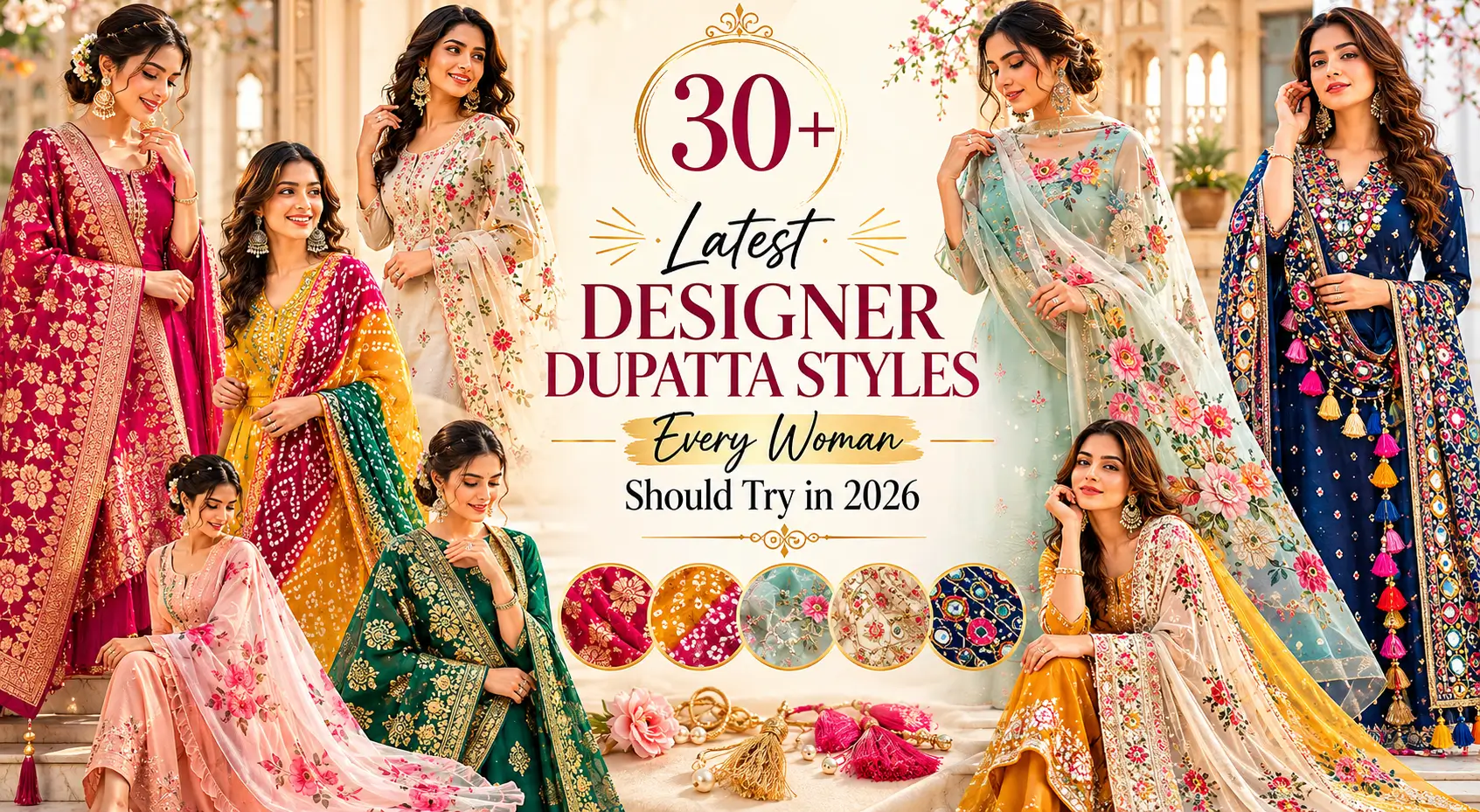
We’re talking intricate threadwork on silk dupattas, earthy handloom dupattas with natural dye prints, whisper-light chiffon dupattas dripping with sequin borders, and bold Banarasi dupattas that make every wedding look feel regal. The range is breathtaking — and honestly, a little overwhelming if you don’t know where to start.
That’s exactly why I wrote this guide.
Whether you’re shopping for a wedding season look, building your boutique collection, or just upgrading your ethnic wardrobe, these are the dupatta styles that are absolutely dominating fashion in 2026. Let’s dive in.
Why the Designer Dupatta Is Having Its Biggest Moment Yet
For a long time, the dupatta was treated as an afterthought. People would buy a matching set and just drape whatever came with it. But fashion-forward women — and the designers who dress them — figured something out: a statement dupatta is the easiest way to look put-together without trying too hard.
Think about it. You can wear the same plain white anarkali and look completely different depending on whether you drape it with a phulkari dupatta from Punjab or a tissue silk dupatta from Varanasi. Same outfit, totally different energy.
That shift in thinking has fueled an explosion of creativity in the dupatta market. And 2026 is where that creativity has truly peaked.
Trending Dupatta Styles You’ll See Everywhere in 2026
1. Banarasi Silk Dupatta
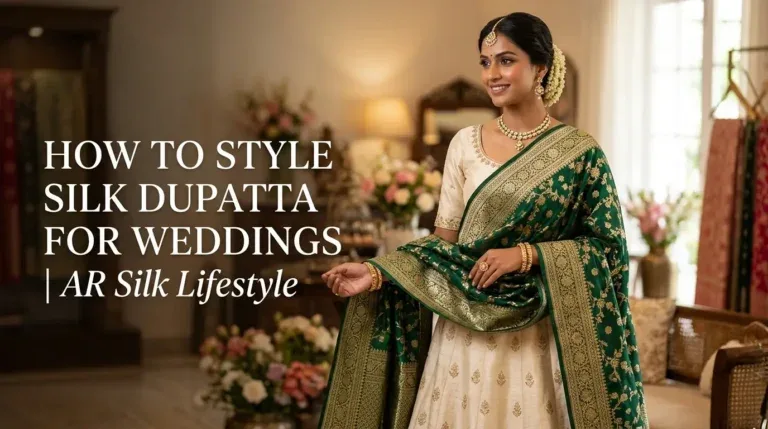
The Banarasi dupatta never goes out of style — but this year it’s showing up in ways that feel fresh and modern. The classic gold zari borders are still here, but now designers are playing with dual-tone weaves, pastel base colors with antique gold work, and even contemporary motifs like abstract florals woven into traditional Banarasi patterns.
If you’re attending a wedding or a big puja celebration, a Banarasi dupatta is your safest and most stunning bet. Pair it with a plain silk suit or a heavily worked lehenga blouse and let the dupatta do all the talking.
2. Chanderi Silk Dupatta
Chanderi fabric has always been loved for its lightweight feel and natural sheen, and the dupatta market has caught on in a big way. In 2026, Chanderi silk dupattas are coming in gorgeous jewel tones — think emerald green, peacock blue, and deep plum — with minimal block print or hand-painted motifs.
What makes it special is the drape. Chanderi falls beautifully and moves like liquid, which makes it incredibly flattering whether you’re pinning it to your shoulder or letting it flow freely.
3. Chiffon Dupatta with Heavy Border
The chiffon dupatta is a forever classic, but the 2026 version has a twist: ultra-heavy decorative borders. We’re talking thick gotta patti work, dense mirror embroidery, and multi-layered lace borders on otherwise simple chiffon base fabric.
This contrast — delicate fabric, bold border — is what makes this style so visually interesting. It works beautifully for parties and evening events where you want a little drama without going full bridal.
4. Georgette Dupatta with Mukaish Work
Mukaish work — that ultra-fine metal wire embroidery done on georgette — is having a serious revival. These dupattas catch light in the most gorgeous way and look absolutely magical at evening functions.
Georgette dupattas with mukaish are particularly popular in Lucknow and the surrounding UP region, but their appeal has spread pan-India. Pair one with a light-colored salwar suit and you’ll look like you stepped out of a Nawabi miniature painting.
5. Phulkari Dupatta
If you grew up in a Punjabi household, phulkari is probably already close to your heart. But even if you didn’t, the vibrant geometric floral embroidery on these dupattas is genuinely impossible not to love.
In 2026, phulkari dupattas are being reimagined in contemporary colorways — think dusty rose with copper thread, sage green with silver, and even ivory with multicolor floss — making them accessible to women of all ages and regional backgrounds.
6. Kantha Embroidered Dupatta
Originating in Bengal, kantha work uses simple running stitches to create intricate patterns, and the result is always uniquely beautiful. Every kantha dupatta tells a slightly different story because the work is done by hand.
This year, kantha dupatta designs are leaning heavily into nature motifs — birds, fish, lotuses, village scenes — on linen, cotton, or silk bases. They’re casual enough for daily wear but special enough to make your everyday outfit feel intentional.
7. Bandhani Dupatta
Bandhani is one of those crafts that just never ages. The tie-dye dots in concentric rings or scattered patterns create a visual energy that’s instantly recognizable and always festive.
Rajasthani and Gujarati bandhani dupattas are now coming in a wider range of fabrics — not just cotton and silk, but also georgette and voile — making them more versatile than ever. The color combinations in 2026 are particularly striking: sunset oranges with hot pink, turquoise with mustard, and deep maroon with ivory.
8. Lehariya Dupatta
While bandhani uses dots, lehariya creates diagonal wave patterns through a different tying technique. It’s indigenous to Rajasthan and carries a breezy, festive energy that’s perfect for summer weddings and outdoor events.
Lehariya dupattas in lightweight fabrics like cotton mulmul or voile are among the most comfortable ethnic accessories you can own. They’re practical enough for daytime wear and vibrant enough to elevate any look.
9. Hand Block Printed Dupatta
The block printing revival is in full swing in 2026. Whether it’s Dabu mud resist printing from Rajasthan, Ajrakh geometric prints from Kutch, or Bagru natural dye prints, handcrafted block printed dupattas are everywhere — and for good reason.
Each one is unique. No two block printed dupattas look exactly the same, and that slight imperfection is precisely what makes them so desirable. They appeal especially to women who love artisanal fashion and want something with a story behind it.
10. Net Dupatta with Thread Embroidery
Net dupattas with intricate resham or zari threadwork are a wedding staple, but in 2026 they’re being styled in unexpected ways. Designers are layering net dupattas over plain cotton kurtas to add an instant festive vibe even to simple outfits.
The beauty of net fabric is that it doesn’t add bulk. Even a heavily embroidered net dupatta stays light and airy, which makes it perfect for long event days when you don’t want to feel weighed down.
11. Tissue Silk Dupatta
Tissue dupattas have that magical quality of looking like woven moonlight. They’re semi-sheer with a metallic sheen that changes depending on the angle of light. In 2026, designers are using tissue silk for wedding dupattas in champagne, rose gold, and antique gold colorways.
If you’re looking for something luxurious for a cocktail function or a pre-wedding event, a tissue silk dupatta paired with a sleek blouse and sharara is a combination that photographs beautifully.
12. Organza Dupatta with Floral Appliqué
Organza made its big comeback a couple of years ago and it’s still going strong. The crispness of the fabric lends itself beautifully to 3D floral appliqué work — little fabric flowers, leaves, and petals hand-stitched onto the surface.
These dupattas look like something out of a dream and are especially popular for engagement ceremonies and reception functions.
13. Dola Silk Dupatta
Dola silk has a slightly heavier hand than regular silk, with a beautiful lustre and drape. It takes embroidery and print work exceptionally well, making it a popular base fabric for bridal and festive dupattas.
In 2026, dola silk dupattas in rich jewel tones with all-over butti embroidery are among the most sought-after styles. They pair especially well with raw silk kurtas and heavy palazzo sets.
14. Pashmina Dupatta
As winter approaches, nothing beats the warmth and luxury of a genuine Pashmina dupatta. Kashmir’s contribution to the world of textiles is unmatched, and Pashmina dupattas with sozni embroidery or jamawar weave patterns are perennial bestsellers.
For 2026, Pashmina dupattas in earthy, muted tones — soft beige, slate grey, dusky rose — are particularly trending, reflecting the broader fashion movement toward understated elegance.
15. Cotton Mulmul Dupatta
Not every occasion calls for heavy silk or embroidery. For everyday wear, casual outings, and summer days, cotton mulmul dupattas are the real heroes.
They’re incredibly soft, breathable, and easy to maintain. In 2026, mulmul dupattas are being printed with updated versions of classic Indian motifs — small ikkat patterns, abstract botanical prints, and minimalist geometric designs that look equally at home in a city coffee shop or a village festival.
The Best Dupatta Fabrics and When to Wear Them
Understanding fabric is half the battle when it comes to picking the right dupatta for the right occasion.
Silk dupattas — including Banarasi, Chanderi, and Dola silk — are your go-to for weddings, festivals, and formal events. They drape well, look luxurious in photographs, and carry an inherent sense of occasion.
Chiffon and georgette dupattas are the workhorses of the party circuit. Lightweight, fluid, and easy to style, they work for everything from a mehendi evening to a family dinner.
Handloom dupattas — kantha, phulkari, ikat, and block printed varieties — are perfect for daytime events, cultural gatherings, and anywhere you want to make a quiet statement about your taste and your values. These are the dupattas that start conversations.
Cotton and mulmul dupattas are for everyday life. They’re practical, comfortable, and increasingly stylish as the sustainable fashion movement pushes more women toward natural fabrics.
Net and organza dupattas occupy a special space — they’re for those peak fashion moments when you want to look truly extraordinary.
16 More Designer Dupatta Styles Worth Knowing
Beyond the major styles above, here are more dupatta trends that deserve a place in your wardrobe:
Mirror work dupatta from Kutch, perfect for a festive splash of light. Ikat woven dupattas in striking geometric patterns. Lucknowi chikankari dupatta on white or pastel fabric, elegant and timeless. Bagh print dupatta in bold red and black from Madhya Pradesh. Kalamkari dupatta with hand-painted mythological motifs. Ajrakh printed dupatta in earthy indigo and brick tones. Gota patti dupatta with ribbon embellishments, beloved at Rajasthani weddings. Sequin and cutdana embroidered dupatta for evening glamour. Double-shade ombre dyed dupatta in trending gradient colorways. Shibori pattern dupatta with Japanese-influenced tie-dye techniques. Patola silk dupatta from Gujarat with its iconic double-ikat weave. Kanjeevaram silk dupatta with temple borders for South Indian ceremonies. Pochampally ikat dupatta in bold woven patterns from Telangana. Dabu natural dye dupatta with its characteristic earthy mud-resist texture. Hand-painted floral dupatta on khadi fabric for artisan fashion lovers. And finally, the resurgent jamdani dupatta a UNESCO-recognized weaving tradition that’s making a beautiful comeback in 2026.
How to Style a Designer Dupatta: Tips That Actually Work
Choosing a beautiful dupatta is only step one. How you wear it makes all the difference.
The cape drape is huge right now. Instead of the traditional over-the-shoulder style, women are wearing dupattas spread across both shoulders like a cape, pinning them at the collar or letting them fall freely. It works best with straight-cut kurtas or anarkalis.
For lehenga looks, double-side draping has replaced the old single-pallu style. You drape equal portions of the dupatta on both shoulders, creating a symmetrical, balanced look that reads as modern and polished.
The front pallu style where you bring the dupatta to the front and tuck it into your waistband is very popular with heavily embroidered wedding dupattas because it keeps the design visible rather than hiding it at the back.
For a casual, easy look, simply looping the dupatta around your neck once and letting both ends fall freely in the front gives you the coverage of a dupatta with the effortlessness of a scarf. Works especially well with chiffon and mulmul dupattas.
Common Mistakes to Avoid When Buying a Designer Dupatta
Not checking the fabric weight before buying online is probably the most common mistake. A chiffon dupatta should be feather-light. If the description mentions it feels stiff or heavy, something is wrong.
Ignoring border width is another one. The border proportion should match the occasion thin delicate borders for casual wear, wide heavy borders for festive and bridal looks.
Buying a dupatta in isolation, without checking it against your outfit fabric and color, is a recipe for mismatch. Always keep a swatch or photo of your main outfit handy when shopping.
Falling for extremely cheap “designer” dupattas that turn out to be machine embroidered on poor quality fabric. Genuine handwork takes time and skill if the price seems impossible, the quality probably is too.
And finally, neglecting care instructions. Silk dupattas need dry cleaning or very gentle hand washing. Many women ruin beautiful silk and handloom pieces by machine washing them. Always check the care label.
Your Complete Buying Guide for Designer Dupattas in 2026
Whether you’re buying for yourself, your boutique, or as a gift, here’s how to make smart choices.
Set a clear purpose first. Are you buying a wedding dupatta, a casual daily-wear piece, or a festive one for a specific occasion? Your fabric, budget, and style choices all flow from this.
For bridal and wedding dupattas, invest in quality. A beautifully crafted Banarasi or tissue silk dupatta for a wedding is a lifelong keepsake, not just an accessory.
For boutique owners and resellers, focus on variety. Stock across fabric types have silk options, chiffon options, cotton options, and handloom options. Women shop differently for different occasions, and you want to serve them all.
For dropshippers, authenticity sells. Handloom and craft-based dupattas with verified origin stories (Banarasi GI tag, Kashmiri Pashmina certification) command higher prices and customer loyalty.
Know your source. Buying directly from craft clusters or registered handloom co-operatives ensures both quality and fair trade practices and increasingly, conscious consumers care about both.
Frequently Asked Questions About Designer Dupattas
Which dupatta fabric is best for summer weddings?
Chanderi silk, chiffon, and cotton mulmul are your best choices for summer. They’re breathable, lightweight, and still look elegant in photographs.
How do I know if a Banarasi dupatta is real?
Genuine Banarasi fabric has a tightly woven body with real zari (metallic thread) borders. The reverse side shows hanging thread ends. It will also feel substantial and slightly heavy. If someone’s selling you a “Banarasi dupatta” for under ₹500, it’s likely a printed imitation.
Can I wear a dupatta casually, not just for ethnic outfits?
Absolutely. Lightweight dupattas like cotton block prints, kantha embroidered pieces, or simple chiffon styles can be worn as scarves or stoles with everyday clothes. It’s actually a great way to introduce ethnic craft into a more contemporary wardrobe.
What’s the right dupatta length?
Standard dupatta length is around 2.5 metres. For wedding and bridal looks, 2.75 to 3 metres gives you more draping flexibility. Avoid anything under 2.25 metres as it will feel too short for most styling options.
How should I store my silk dupattas?
Always fold them along the natural weave, wrap in soft muslin cloth, and store flat or loosely rolled. Never hang silk dupattas for long periods as the fabric can stretch. Keep them away from direct sunlight to prevent color fading.
Are handloom dupattas worth the higher price?
Yes, almost always. Handloom dupattas are made with genuine skill, natural or quality dyes, and last significantly longer than machine-made alternatives. They also carry cultural and artistic value that cannot be replicated by machines.
Conclusion: Your Dupatta, Your Statement
A designer dupatta isn’t just an accessory. In Indian fashion, it’s a language one that speaks about your taste, your roots, and your understanding of craft and culture.
Whether you’re drawn to the royal grandeur of a Banarasi silk dupatta, the earthy soul of a hand block printed cotton piece, or the festive sparkle of a heavily embellished georgette dupatta, there’s a style out there that was made for you.
The key is to stop treating the dupatta as an afterthought and start treating it as the star of your look. Because in 2026, the women who are turning heads aren’t always the ones with the most expensive outfits they’re the ones who chose their dupatta with intention.
So go ahead. Browse, explore, invest in a few beautiful pieces, and start draping. Your wardrobe and your confidence will thank you for it.